Home / Blog
Lead Abatement tips & guides
Guides, tips and answers about Lead Abatement from USA Abatement Contractors.
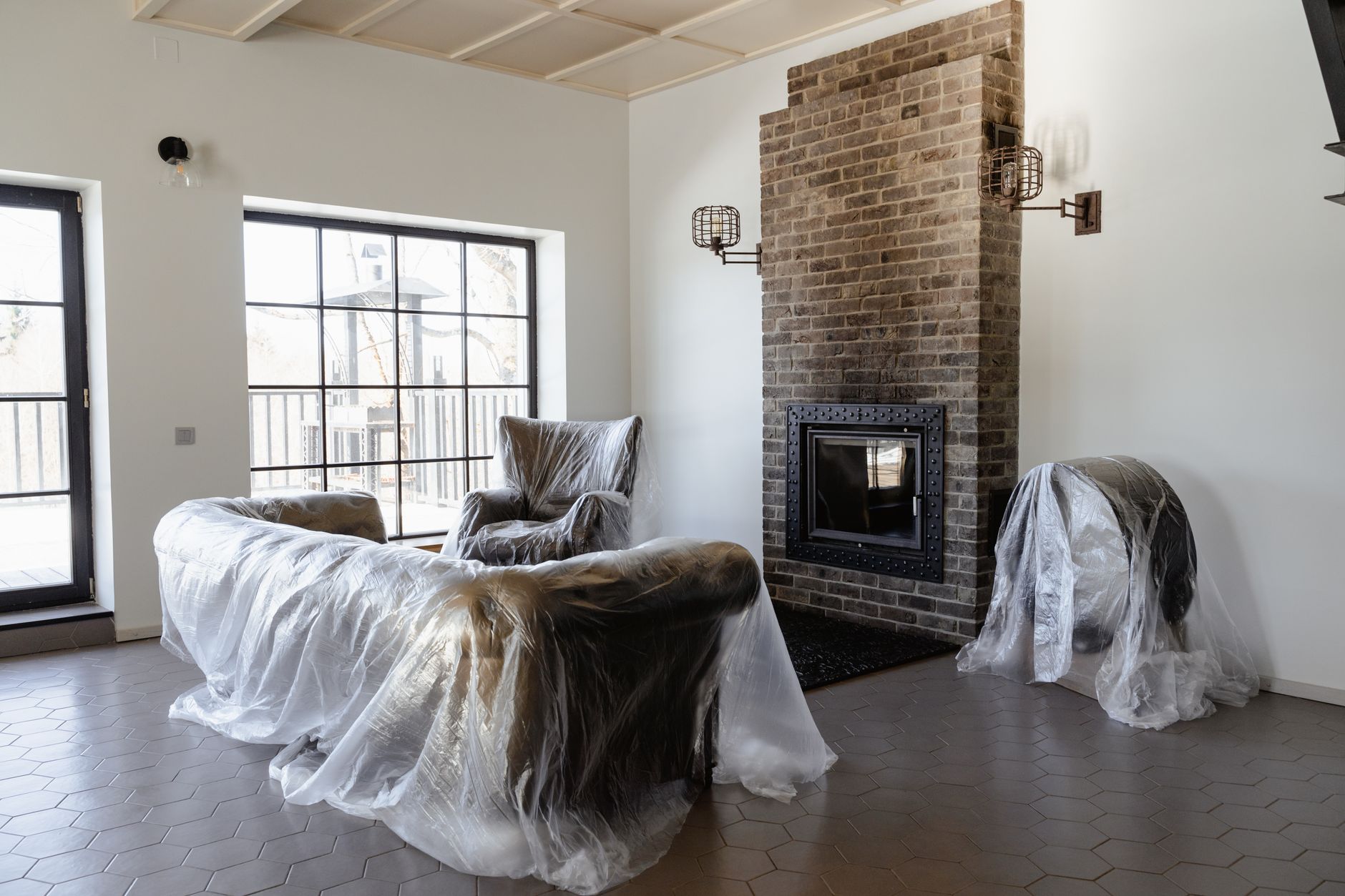
How to Prepare Your Home for a Lead Abatement Project
Prep work decides how fast a lead abatement project goes. Here is exactly what to move, seal, pack, and expect before the crew arrives at your home.
Read article →
What Is Lead Clearance Testing After Abatement
Lead clearance testing after abatement is the final dust-wipe inspection that proves your home is safe to reoccupy. Here is how it works, what it costs, and why it matters.
Read article →
How Much Does Lead Paint Removal Cost in the USA
Lead paint removal in the USA runs about $8 to $30 per square foot in 2026, with most single-family jobs landing between $2,500 and $15,000. Here is what drives your number.
Read article →
What Happens During Lead Abatement in Older Homes
From the first XRF test to the final clearance wipe, here is exactly what happens during lead abatement in an older home - and what it costs in 2026.
Read article →
How Long Does a Lead Abatement Project Usually Take
Most single-family lead abatement projects take 1-5 working days; larger commercial and industrial jobs run 2-8 weeks. Here is what actually drives the timeline.
Read article →
How Lead Paint Encapsulation Works and When to Use It
Encapsulation seals lead paint behind a bonded coating instead of scraping it out. Here is how the process works, when it beats removal, and what it costs in 2026.
Read article →
What Is the Difference Between Lead Abatement and Removal
Lead abatement seals or encapsulates lead hazards in place. Removal takes the lead out entirely. Here is how to choose the right method for your property.
Read article →
How to Safely Clean Up Lead Dust in Your Home
Lead dust is the most common source of childhood lead poisoning in the U.S. Here is the step-by-step method professionals use to clean it up without spreading it.
Read article →
What Are the Health Risks of Lead Paint Exposure
Lead paint exposure damages the brain, kidneys, and cardiovascular system, and no blood lead level is considered safe. Here is who is most at risk and how abatement works.
Read article →
How Lead Dust Spreads Through Homes and Buildings
Lead dust spreads by air, foot traffic, and renovation disturbance, then settles on floors, sills, and soil. Here is how it moves through US homes and buildings.
Read article →
What Happens During a Professional Lead Inspection
A professional lead inspection takes one to three hours, tests every painted surface with an XRF gun, and ends with a written report. Here is the full process.
Read article →
How Lead Paint Removal Works Step by Step
Lead paint removal is a sealed, regulated, step-by-step process: test, contain, strip, clean, and clear. Here is exactly what happens on a US job.
Read article →
What Is Lead Abatement and When Is It Necessary
Lead abatement permanently removes or contains lead paint, dust, and soil hazards. Here's when it's required, what it costs in 2026, and how the work gets done.
Read article →What Are the Common Signs of Lead Paint Damage
Chalking, cracking, peeling, and sweet-tasting dust are the four signs of lead paint damage we see most. Here is how to spot them before a renovation spreads lead through your home.
Read article →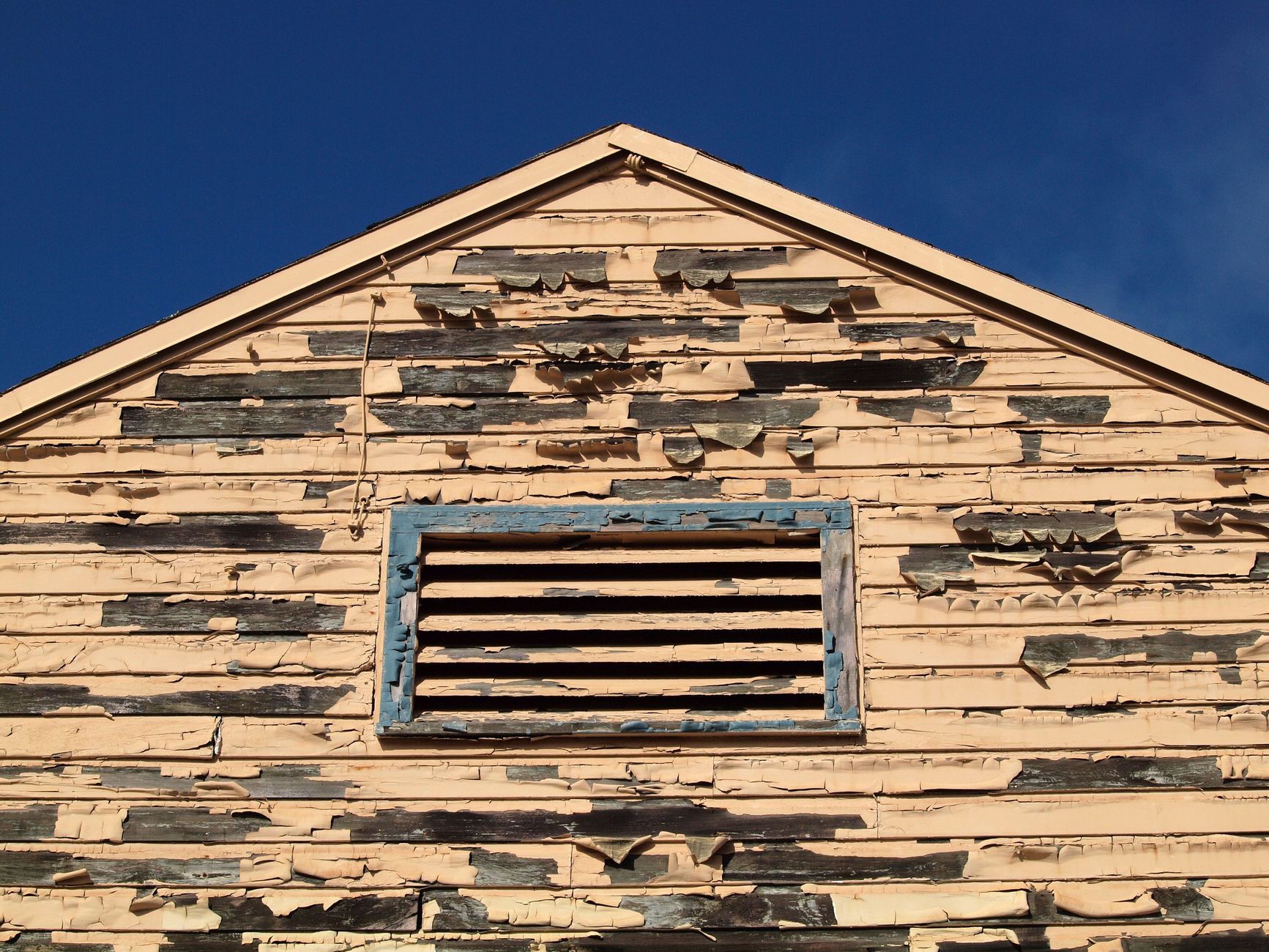
How to Identify Lead Paint in Older Homes
Lead paint hides under layers of newer paint and looks identical to the safe kind. Here is how to identify it in older homes, what testing costs in 2026, and when to call a pro.
Read article →